
🏆Finalist, Belgium Startup Awards 2026·Backed by Start it @KBC Accelerator
Sagy

Platform

AI workflow agents that execute and learn.

Sagy helps teams map workflows, execute them with AI agents, and keep proven paths available for the next support issue, engineering investigation, or operational problem.

Schedule demo
HomeSee how Sagy helps teams execute and improve complex workflows.Incident Investigation AgentGather evidence across tools and surface the next action faster.Engineering MemoryPreserve decisions, fixes, and investigation paths automatically.Sagy in ActionFind the Sagy page that matches your team’s use case.

Use Cases

Start with the use case, not the label.

Start with a service investigation if needed, then move into sales and support, embedded systems, or production workflows once the right agent opportunities are clear.

Schedule demo

Services First

Investigation ServicesWork with Sagy to investigate your current issues first, then decide which workflows should become agents.

Sales & Support

Incident Investigation AgentExample use case for turning inbound issues into structured investigations.Investigator DemoExample walkthrough of a support or escalation workflow.

Embedded Systems & Devices

Firmware ReproductionExample use case for reducing setup time before embedded debugging starts.Hardware Investigation AgentExample use case for device, lab, and embedded investigation workflows.Wireless Networking AgentExample use case for networking devices and field debugging workflows.

Production & Regulated Operations

Production Line Support AgentSimple use case for troubleshooting production lines with access to procedures, support context, and prior incidents.TelecommunicationsExample use case for production networking and connected-device operations.Avionics & AerospaceExample use case for safety-critical embedded and certification-heavy workflows.Medical DevicesExample use case for regulated device investigation and documentation workflows.

Workflow Foundations

Tool IntegrationsSee the tool layer that supports Sagy use cases.Confluence AlternativeExample of how Sagy can keep workflow knowledge alive without stale wiki pages.

Learn

Practical guides for engineering investigation.

Read focused content on MTTR, root-cause workflows, customer bugs, embedded reproduction, and secure AI agents for engineering teams.

Schedule demo
Security & DeploymentReview private deployment, human approval, auditability, and access control.Blog IndexRead practical articles for engineering teams investigating complex issues.Reduce MTTRLearn how repeatable incident investigation lowers resolution time.Root-Cause WorkflowFollow a source-backed workflow for engineering root-cause analysis.Slack Jira GitHub IncidentsConnect conversations, tickets, and code changes during incidents.Customer Bug WorkflowTurn customer reports into structured engineering investigations.Incident KnowledgeSee how AI agents preserve fixes, evidence, and decisions.Embedded Bug ReproductionLearn why reproducing customer bugs can take days before debugging begins.Static Knowledge BasesSee why static docs miss the decisions engineers need during incidents.Purpose-Built AgentsUnderstand why focused agents outperform generic assistants for engineering work.

Company

Company, hiring, and policy pages.

Learn who is building Sagy, how we handle data, and where we are hiring.

Schedule demo
TeamMeet the team building Sagy for engineering organizations.CareersExplore opportunities to help build the AI investigation layer.PrivacyUnderstand how Sagy handles customer information and product data.
Home/Blog

How to Reduce MTTR Without Hiring More Engineers

MTTR usually grows because incident context is scattered. A repeatable investigation workflow helps teams move faster before headcount becomes the only answer.

Wissem
WissemFounder & CEO @ sagy
June 10, 2026
5 min read
How to Reduce MTTR Without Hiring More Engineers

Reducing MTTR is rarely about asking engineers to type faster. The slow part is usually the time before the real fix begins: finding the right ticket, reading the Slack thread, checking recent pull requests, collecting logs, and asking who remembers the last time this happened.

That hidden investigation time is where engineering teams lose hours. When every incident starts from zero, even strong teams repeat the same context hunt again and again.

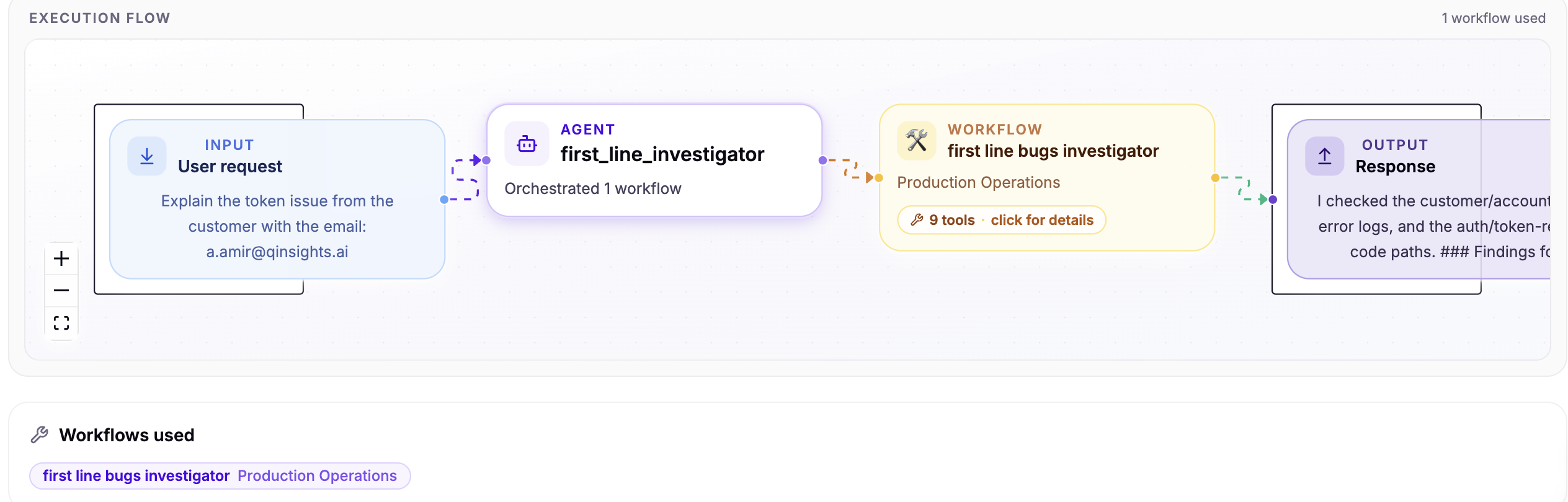
The better path is to make incident investigation repeatable. Sagy is built around that idea: an AI incident investigation agent gathers context, executes the known workflow, surfaces evidence, and turns the validated fix into reusable engineering memory.

Where MTTR Really Gets Lost

Most incident timelines include work that does not look like debugging:

  • recovering context from Slack, Jira, GitHub, docs, and logs
  • finding related tickets and past fixes
  • checking which deploys or commits changed the affected system
  • rebuilding the incident timeline for the next engineer
  • waiting for senior engineers to remember old decisions

None of this is wasted work. It is necessary work. The problem is that it is repeated manually under pressure.

The Workflow That Reduces MTTR

A useful incident workflow has a simple shape: gather context, form hypotheses, attach evidence, ask for human validation, then preserve what worked.

Before Sagy

Every incident starts with a manual search across tools and people.

With Sagy

The first investigation packet already contains source links, likely causes, and next actions.

The result is not an automatic fix. The result is that engineers start closer to the truth.

What to Automate First

Start with investigation work that is high-value and repetitive:

  • collecting ticket and conversation context
  • matching symptoms to past incidents
  • checking recent code changes
  • collecting relevant logs and links
  • drafting the first incident summary

Teams that connect this workflow to Slack, Jira, and GitHub can go deeper with the Slack Jira GitHub incident investigation agent.

Related Sagy pages

AI Incident Investigation AgentSee how Sagy gathers context, executes workflows, and preserves engineering memory.Slack, Jira & GitHub WorkflowConnect conversations, tickets, and code changes into one investigation path.
Thanks for reading.

Ready to test Sagy?

Schedule a demo for one of your high-value workflows.

Bring a real support issue, engineering investigation, or production problem. We can start by helping investigate it as a service, then map the workflow and turn what works into reusable operational knowledge and agents.

Schedule a demo
sagy

AI workflow agents for teams running complex support, engineering, and operations work.

HomeIncident AgentSlack/Jira/GitHub WorkflowFirmware Bug ReproductionHardware AgentWireless AgentTelecommunicationsAvionicsMedical DevicesEngineering MemoryConfluence AlternativeIntegrationsSecurity & DeploymentBlogTeamCareersLinkedIn Contact
Contact

© 2026 Sagy. All rights reserved.